Car Polishing 101: Pro Tips for a Mirror-Like Finish
Good paint looks honest from ten feet away. Great paint looks honest from ten inches. The difference usually comes down to methodical car polishing, a balanced approach to cutting and refining, and the discipline to stop when the finish is right. If you have ever chased swirls across a hood only to reveal new hazing under shop lights, this guide is for you.
What polishing really does
Polishing removes a thin layer of material to level the surface and align how light reflects. On modern clearcoat systems, you are taking microns off the clear. On single stage paint, you are directly abrading the pigmented layer. The goal is to remove defects like swirls, wash marring, oxidation, and random isolated deep scratches without compromising future longevity.
Compounding cuts aggressively to knock down heavier defects. Polishing refines and restores gloss. Sometimes a one-step product does both if the paint is forgiving, the pad is matched well, and the expectation is a significant, not perfect, improvement. Full paint correction is a measured sequence of test spots, pad and liquid changes, and controlled passes until the panel looks uniform under inspection lighting.
The variables that matter more than the product label
People obsess over which bottle to buy. That matters, but less than technique, pad choice, and environmental control. The polish is only part of a system. Your machine’s orbit, the stiffness of the pad’s foam or fiber, arm speed, pressure, section size, panel temperature, and lighting dictate results.
A dual action polisher with a long throw is forgiving and efficient for most hobbyists. A rotary is faster at cutting but needs a steadier hand and attention to heat. Microfiber pads cut quickly but can haze on soft clear. Finishing foams lay down gloss but lack bite. On sticky repaints, a medium foam with a diminishing abrasive can be the sweet spot. On hard German clears, a microfiber cut pad with a modern compound might be necessary, followed by a soft foam and a dedicated finisher.
Start with a clean, decontaminated surface
Polishing on a dirty panel is like sanding with gravel. Even if the paint looks clean, iron particles and bonded grit will chew through pads and mar the finish.
- Basic prep checklist: pH neutral wash, iron decontamination, clay with plenty of lubricant, thorough drying, and masked trim or edges that can catch a pad.
That is list one. Keep it short and use it every time. A clean, cool panel in the shade sets up a smoother experience and fewer surprises.
Lighting separates amateurs from careful technicians
Natural sunlight can hide as much as it shows. You need a mix of lighting. High CRI shop lights reveal color inconsistency and light haze. Focused inspection lights show RIDS and holograms. Low, raking light along the panel highlights texture. I keep one hand light with a focused beam for tight inspection and bounce a large panel light off the ceiling to flood the work area. If the panel only looks good under the light you are holding, it probably still has defects.
Test spots and the discipline to stop
Pick a 2-by-2 foot area with representative defects. Start mild, evaluate, then step up. If a finishing foam and polish lifts 70 percent of the swirls and you like the gloss, do not chase the last 30 percent unless the car and customer expectation justify it. Every pass is material removed. Measured restraint keeps more clearcoat for the next correction cycle.
When the test spot proves a combo that hits the target, lock it. Use that combo for the panel, then reevaluate on the next panel. Panels vary. Hoods get repainted, doors get thinner, and bumpers are flexible urethane that runs hotter. Assume nothing.
How Xtreme Xcellence Detailing approaches paint correction
At Xtreme Xcellence Detailing, we treat car polishing like a small engineering project. We begin by measuring paint thickness across every panel. On factory finishes, we look for uniform numbers, often 90 to 130 microns on the clear plus color plus primer. On repaints, we often see larger swings and softer behavior under the pad. The meter is not infallible, but it informs decisions.
Our technicians work test spots in three stages. First, a cut candidate that we expect to need, based on the vehicle’s history. Second, a refinement pass with a finishing product to confirm the ceiling of gloss. Third, an experiment if the first try leaves more haze than we accept. We run low to moderate machine speed, slow arm speed, light to moderate pressure, and small sections. When heat climbs or the pad clogs, we stop and reset. That rhythm prevents overcorrection and preserves edges and body lines that are thinner by design.
Priming pads, cleaning on the fly, and knowing when to swap
Priming a foam or microfiber pad ensures the face is uniformly loaded before your first passes. I like to spread a thin, even film using a gloved finger, then add two small dots for working product. Do your first two slow passes without pressure to massage the abrasives into the pores, then add light pressure.
Every two or three sections, blow out the pad with compressed air or use a soft brush. Polishing dust and spent abrasive clog pores and turn the pad into a grinder that drags. On microfiber, cleaning is non-negotiable. On foam, you can stretch cleaning a bit, but performance drops sharply if you let the pad cake. Swap to a fresh pad when the face starts to collapse or you see pilling. Most full corrections use multiple pads of each type to keep the cut consistent from panel to panel.
Heat is the silent paint killer
Friction builds heat quickly. Plastic bumpers soak it in, aluminum dissipates unevenly, and steel can give you a false sense of safety. I keep a simple infrared thermometer handy and aim to keep panel temps comfortable to the touch, usually under 120 Fahrenheit. If you cannot comfortably hold the back of your hand on the panel for two seconds, it is too hot. Let it cool. High heat can swell the clear and make defects appear gone, only to return after the panel cools or after an isopropyl alcohol wipe.
Xtreme Xcellence Detailing on tricky paint systems
Tricky paint can humble even experienced hands. Xtreme Xcellence Detailing sees three categories that demand adjustments. First, ultra soft Japanese clear that mars when you look at it wrong. The fix is a softer foam and a finishing polish, sometimes even a jeweling pass with a rotary at very low speed, almost no pressure, and a boutique finishing liquid. Second, rock-hard German clear where you can do ten passes and nothing changes. There, microfiber or wool with a high-cut compound and a long throw DA can break the surface, followed by a crisp finishing step. Third, aftermarket single stage resprays that transfer color to the pad. That is normal for single stage. Keep pads cleaner than usual, watch heat, and avoid chasing perfection that would require too much removal.
When a one-step makes more sense than a two-step
Not every exterior detailing job warrants a full two or three-step correction. Daily drivers that live outside collect new wash marks regularly. A well-chosen one-step with a medium foam can erase the majority of visible swirls and leave strong gloss in a day’s worth of work. You get meaningful improvement without burning through your correction budget. If you plan to follow with a ceramic coating, the one-step needs to finish clean, then you will do a proper panel prep before coating.
Polishing order for vehicles with film and coating
Polishing a car with paint protection film needs a lighter touch. Most PPF can be polished, but the goal is to clean up surface scuffs, not to cut through the top coat. Avoid edges where film meets paint. If the plan is to install PPF after polishing, do your cutting and refining first, wipe down, then install the film, then coat both the film and exposed paint with a compatible ceramic coating. The sequence matters. You do not want to abrade a coating you just applied, and you do not want to trap polishing oils under film.
The difference between gloss and clarity
High gloss reads from far away. Clarity reveals itself in how cleanly you can read a reflection line or the sharpness of a fluorescent tube mirrored in the paint. Heavy compounding can inflate gloss while damping clarity with micro marring. Finishing technique revives clarity. A slow, deliberate final pass with a finishing foam, minimal product, minimal pressure, and a fresh pad sharpens reflections. If the clarity still lacks, your cut step was too aggressive or the paint is exceptionally finicky.
Working tidy: tape lines, edges, and trim
Taping is not only about protecting rubber and plastic from stains. It also slows you down in the right way. Tape body lines and sharp edges that thin quickly during polishing. On repainted panels, edge protection is even more important. I like a 6 to 10 millimeter border along glass and plastic and a small piece over washer nozzles and emblems. Remove tape between steps so residue does not interfere with the next pass and clean up ghost lines with a gentle wipe.
A short story from the bay at Xtreme Xcellence Detailing
We had a black coupe come in with a history. The owner had chased a mirror finish with a rental rotary and a cheap wool pad after watching a few videos. Under shop lights, the hood showed holograms and deep trails. Paint measurements ranged from 78 to 100 microns on the hood, thin for that model. Full correction was not responsible.
We set a conservative target. Microfiber and a modern, low-dusting compound at low machine speed, short sections, and frequent cool-downs knocked back the worst trails in two passes without raising temperature past 105 Fahrenheit. Then a soft foam and a true finishing polish restored clarity. We left a few deep RIDS that would have required more removal than the panel could spare. Under three different lights, the hood read crisp, and the owner understood why we stopped where we did. That restraint is part of professional car detailing. The car looked honest from ten inches, and it would still look honest a few years later.
Product selection, but without the hype
Abrasives have evolved. Modern polishes use consistent particle sizes that break down in predictable ways or remain non-diminishing to maintain cut. The label matters less than how the product behaves on the paint under your pads and machines. Solvent-heavy compounds can fill temporarily. That is not a sin, but you need to do an appropriate wipe down with a panel prep or a diluted isopropyl alcohol solution to reveal the true finish before you coat or wax.
As for protection, a ceramic coating gives you chemical resistance and easier maintenance, not invincibility. It will not prevent rock chips or eliminate the need for good wash technique. Pairing a coating with paint protection film on impact zones keeps that mirror-like finish looking fresh longer. Coating over film requires compatible chemistry, and most major brands play well together, but always verify.
When interior detailing intersects with polishing
Interior detailing does not change paint, but the workflow intersects on time and environment. If the vehicle is dusty inside, that dust ends up on your pads when doors open and close. Do a quick interior vacuum and wipe before heavy polishing to cut airborne lint. Mask adjacent interior panels when polishing A-pillars or door tops. On convertibles, close the top during machine work even if you plan a fabric clean later.
RV detailing and gelcoat realities
Polishing an RV or boat is a different material entirely. Gelcoat is thicker and oxidizes quickly in sun, so it often needs heavier cutting to revive gloss. The machine weight, pad diameter, and ladder work add fatigue. Break the vehicle into zones you can complete without rushing. Expect more dust and more pad swapping. Gelcoat can take more aggressive steps, but it also hides hazing until you flood it with strong light. On RV detailing projects, sealing with a dedicated marine sealant or a compatible ceramic coating helps slow repeat oxidation, but the prep must remove chalk fully or the protection will not bond.
Correcting your own technique: five quick fixes
- If the pad is hopping or chattering, reduce pressure, slow your arm speed, and consider a softer pad.
- If you see hazing after compounding, clean the pad thoroughly, switch to a finishing foam, and add a refining pass with slower machine speed.
- If the product dusts heavily, use less on the pad, shorten your work cycle, and verify ambient humidity. Some compounds prefer a slightly damp environment.
- If the machine stalls on curves, tilt slightly to maintain rotation while keeping most of the pad flat, or downsize the backing plate and pad.
- If defects return after wiping, the product may have filled. Do a proper panel wipe and reassess.
That is list two. Keep it handy during any auto detailing session that goes sideways.
The final 10 percent is all wipe down and inspection
Once the panels look right under your main light, step away. Wipe the car down with a high-quality panel prep, change towels frequently, and avoid grinding leftover abrasives into the finish. Walk the car outside. Sun shows what the shop hides, and the shop shows what the sun hides. If you see faint micro marring in the sun, make a measured decision. Sometimes a single, slow finishing pass restores the line. Other times, leave it to protect the clear. Perfection on a daily driver can be the enemy of durability.
Aftercare that preserves the work
A polished finish is vulnerable to bad wash technique. Use a quality wash mitt, two buckets or a pressure-assisted pre-rinse, and a drying aid that adds light slickness. Avoid automatic brushes. If the car is coated, use pH-balanced soaps and skip abrasive shampoos. Monthly inspection under a handheld light takes five minutes and will catch new marring before it becomes widespread. Touch-up polishing should be localized and conservative. Your goal is to save clear for as many maintenance cycles as the car will need.
Where ceramic coating fits without the hype
Coatings add measurable slickness and chemical resistance. They help dirt release during washing and slow UV degradation. They do not add meaningful thickness to protect against stone chips. That is paint protection film territory. If you want an easy-to-clean daily with strong gloss, a single-layer coating over a thoughtful one-step polish makes sense. If you want maximum preservation, film the front end, then coat the whole car. The synergy is real for exterior detailing: the film absorbs the abuse, the coating reduces grime and aids cleaning, experiencedetailing.com interior detailing and the polished base gives depth.
Xtreme Xcellence Detailing’s small habits that make a big difference
Over years in the bay, we have collected habits that cost little and pay off. At Xtreme Xcellence Detailing we stage two machines per job, one set up for cut and one for finish, so we are not swapping plates mid-panel. We keep a rolling cart organized left to right with cut pads and polishes on the left, finish on the right. We label towels cut, finish, and final wipe to avoid cross-contamination. We also track panel temperatures by touch and by meter, because comfort-level checks are fast but imperfect.
On vehicles with mixed history - for example, a repainted hood and factory doors - we adjust expectations per panel. The hood might get a light cut and a robust finish, the doors a one-step, and the bumpers only a clean-up polish. The goal is uniform appearance under mixed lighting, not identical process everywhere. That nuance is what separates rote checklists from real car polishing judgment.
Small-case lessons from difficult jobs
A white truck with heavy iron fallout looked clean after decon, but under a pen light the horizontal panels were peppered. The owner used a rail-side parking spot weekly. Clay alone left micro marring. The answer was an aggressive chemical decon first, then a mild clay, then a medium polish on a firm foam. That sequence deleted the bonded contaminants with fewer pad changes and less unnecessary abrasion. The truck left with strong clarity even though the paint color did not shout it in photos.
A metallic blue sedan had deep dealer-installed swirls with a soft clear. Microfiber cut fast but hazed, even with careful finishing. The winning combo was a medium foam and a high-cut compound used gently, followed by a long-working finishing polish at low speed. The foam changed the way the abrasives engaged the soft clear, and that kept the finish clean. If your first guess does not work, change pad construction before you swap to the third new liquid.
Keeping perspective on what you cannot fix
Not every defect is fair game. Stone chips belong to paint repair. Creased scratches that catch a fingernail might be reduced but not erased. Etching from bird droppings can run deeper than you think. Chasing those completely can thin a panel beyond safe limits. Polishing makes the rest of the panel flatter and shinier, which reduces the visual weight of the defect. That restraint is a win.
Brief word on safety and ergonomics
Polishing is hard on backs and wrists. Work the panel height to your body. Use stools and steps so your arms stay near shoulder level rather than fully extended. Switch hands if you can. Wear ear protection if your polishers are loud and gloves if your skin reacts to chemicals. Organize cords so they do not drag across the finish. These small moves improve results because fatigue breeds sloppiness.
A final pass through the workflow
Good prep, thoughtful test spot, chosen system, controlled sections, pad maintenance, heat management, thorough wipe down, and smart protection. That is the spine. Around it, your experience fills in the judgment calls that maps cannot teach. Whether you are maintaining a daily or guiding a client through options, the finish you deliver should survive real use, not just a photo under a halogen.
Xtreme Xcellence Detailing’s perspective on long-term care
We often see cars return annually, and patterns emerge. Vehicles that get a ceramic coating and adopt careful wash habits need lighter polishing and keep more clear over time. Those that rely on wax alone often come back with heavier marring due to friction during drying. That does not mean coatings are the only answer, only that protection plus technique is what keeps paint healthier. At Xtreme Xcellence Detailing, we adjust maintenance plans to the owner’s habits. Garage-kept vehicles may go two years between meaningful corrections. Daily drivers that live curbside benefit from smaller, more frequent touch-ups rather than a heavy correction every few years.
Bringing it all together
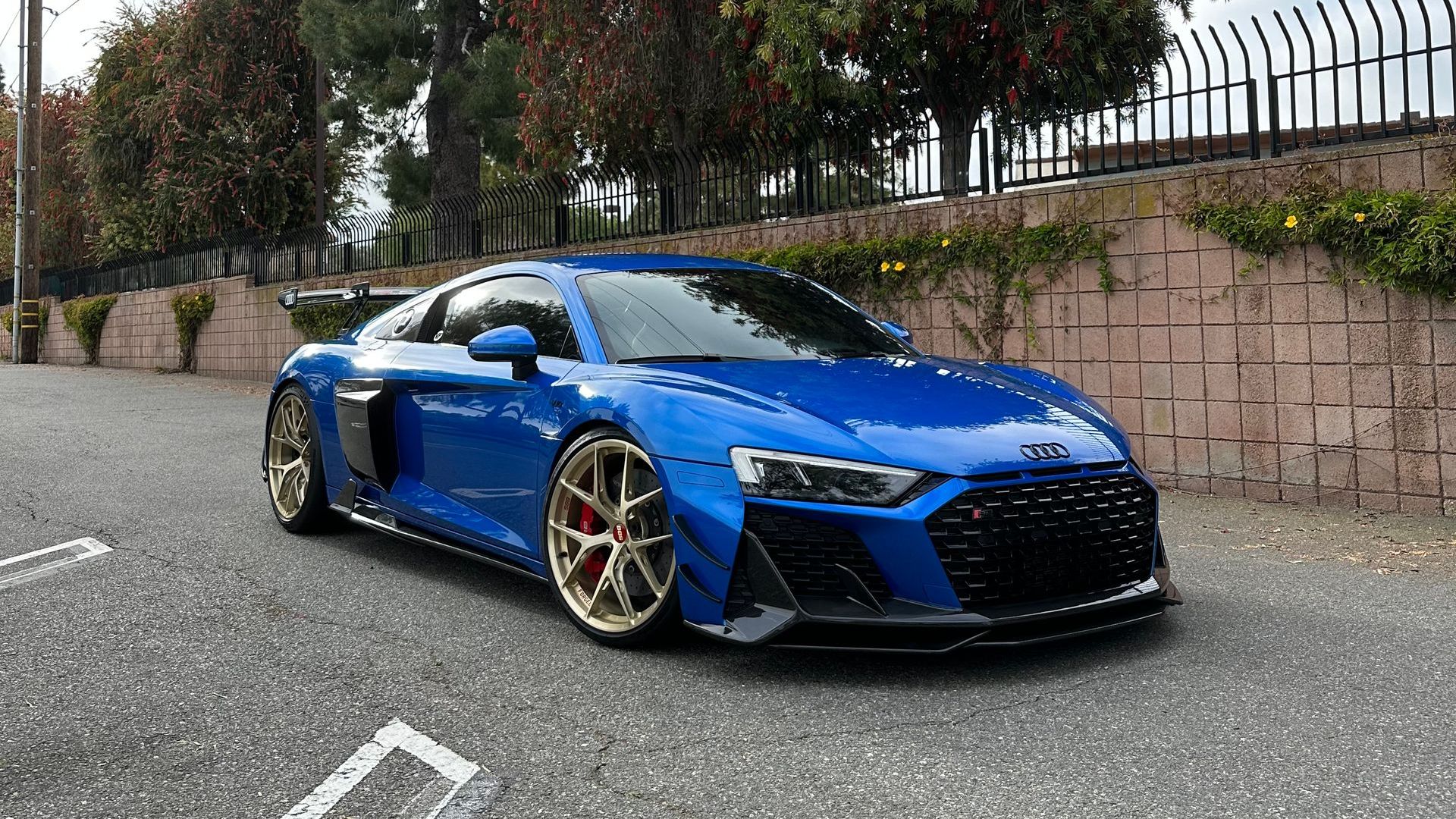
Car polishing is simple in concept and subtle in practice. Products change, labels evolve, and machines add features, but the paint still asks the same questions: how much can you remove safely, how flat can you make the surface, and how will you protect what you have left. Read the panel, pick a path, and work with intention. A mirror-like finish is earned in the quiet moments when you clean your pad for the fourth time, choose not to chase a stubborn scratch, and slow your final pass just enough to sharpen the line you see reflected in the paint.
With that mindset, the distance from ten feet to ten inches gets shorter, and your results will look honest under any light.
Xtreme Xcellence Detailing
23561 Ridge Rte Dr # O, Laguna Hills, CA 92653
(714) 472-3001
FAQs About Car Detailing & Paint Protection
How often should you service your car?
Regular car servicing is typically recommended every 5,000 to 7,500 miles or every 6 months, depending on your vehicle and driving conditions. In areas like Laguna Hills, CA, frequent driving and sun exposure make routine maintenance especially important.
What is the difference between waxing and ceramic coating?
Waxing provides a temporary layer of protection that lasts a few weeks to a couple of months, while ceramic coating offers long-lasting protection for several years. Ceramic coatings bond with your vehicle’s paint, delivering superior durability, gloss, and resistance to contaminants.
Is paint protection film worth it?
Yes, paint protection film (PPF) is a great investment for preserving your vehicle’s exterior. It provides a durable, transparent layer that protects against rock chips, scratches, and road debris, helping maintain your car’s value and appearance.
How long does a full car detailing take?
A full car detailing service typically takes between 3 to 8 hours, depending on the vehicle’s size, condition, and the level of service required. More advanced services like paint correction or ceramic coating may require additional time.
How often should I get my car detailed?
For optimal results, it’s recommended to have your car detailed every 3 to 6 months. This helps protect your vehicle from environmental damage and keeps it looking its best year-round.
Does ceramic coating eliminate the need for washing?
No, ceramic coating does not eliminate the need for washing, but it makes cleaning much easier. Dirt and grime have a harder time sticking to the surface, allowing for quicker and more effective maintenance washes.